
Winter Tips for MA Residents

Winter is here and the cold weather brings sweaters, snow, and increased heating demands! The average low and high temperatures in Massachusetts between December to March are 24°F and 37°F. There are certain protections in the state to help you through the frosty months ahead.
Under certain conditions, utility companies are not allowed to turn off your electric, gas, and water. If your household is low-income and you cannot afford heat between November 15 to March 15, the utility company cannot shut off your heat. You should ask the company for a hardship application and sometimes this protection lasts until April. If all residents of your home are 65 years old or more, your electricity and gas cannot be shut off without first getting permission from the Department of Public Utilities (DPU). If you are experiencing financial hardship and one of the following applies, your gas and electricity cannot be shut off without permission from the DPU:
A resident of your home is seriously ill
You have an infant under 12 months old in your home
All adults are 65 years old or older and a minor child resides in the home
While heating cost increases may be unavoidable, there are some steps you can take to prevent exorbitant utility charges. Regular lightbulbs can be replaced with LED bulbs. These use about 75% less electricity and burn out much slower. This can significantly lower your energy costs. Sealing up cracks in windows, doors, walls, and floors can prevent heat leakage. If a certain room in your house if colder than the rest, you may have leakage. Check and replace your air filters to increase the efficiency of your heating and cooling system. Dirty filters are not only a fire hazard but cause your system to work harder and may cause unnecessary damage while increasing heating costs.
Look Out For Identity Theft!

Medicare is a great health insurance option for people 65 and older. This government program also attracts con artists as they will try to steal your personal information and commit medical identity fraud. Unsolicited offers or deals for Medicare may sound tempting but could also be part of a scam. Never give out your personal information or Medicare ID number in these instances. Do not respond to these offers and hang up. You should directly contact Medicare to sign up.
Incoming calls showing Medicare in the caller ID can be fakes. It’s easy for a fraudster to spoof their phone number to appear as if they’re legitimate. If you receive a call from Medicare, hang up and call a verified number from www.medicare.gov.
Con artists can use pushy and aggressive tactics to scare you into their traps. They could say you owe back payments, be arrested, or discontinue your service. If the service agent is aggressive on the phone, they are likely a scam.
Return Those Tickets To Santa

The NBA season this year has been exciting and ticket prices are surging. The average price for a Boston Celtics home game is at least $300. Before the NBA Finals are held in Boston next summer, the National Intellectual Property Rights Coordination Center warns against counterfeit tickets as these are a regular occurrence. Fans desperate to find a deal could be surprised when they’re rejected at the gate because their tickets are invalid.
If you’re unsure about the seller, it is most trustworthy to buy your tickets directly from NBA-approved sellers, including NBATickets.com and official NBA team websites. Do not post your tickets online as a clever thief can quickly make a physical copy and use your ticket before you can.
Should you find a ticket from a 3rd party seller that seems too good to be true, it likely is. Unless you trust the person, such as a family member of friend, do not buy tickets that seem very cheap.
If you have encountered one of these scams, report them to the Federal Trade Commission at www.ftc.gov or call 202-326-2222.
Consumer Protection 101: 30-Day Demand Letter

What's a 30 Day Demand Letter
If you are a consumer that feels that you have been scammed by a merchant who had sold you goods and services, you can file a Chapter 93A, also known as a demand letter.
A 30-day Demand Letter or 93A Letter in Massachusetts is an official notice that you or an attorney can draft. This includes a 30-day deadline for the merchant to respond before one files a lawsuit against them. The letter details all of the actions allegedly performed by the recipient that is in violation of the Massachusetts Consumer Protection Act. The letter should also include the sender's demands for relief and the noted deadline.
Massachusetts Consumer Protection Overview
The Consumer Protection Act was created to protect consumers from unfair and deceptive actions by businesses or individuals. Under this Act, the consumer has four (4) years from the date of the incident to take legal action against the business or individual. In Massachusetts, the amount sought must be $7,000 or less in order to be submitted to Small Claims Court, although every state has its own set limit. The consumer can hold the business or individual liable for attorney fees and triple damages if they don’t respond or settle the claim.
What To Include In Chapter 93A Demand Letter
The Chapter 93A is a letter that should have four specific things:
Your name and address
A detailed description of the product/services you are reporting, including the date of purchase and the amount paid
Statement of why you feel deceived, include the amount you suffered or lost
The relief you are seeking from the company, including the exact amounts
Are MLMs Just Pyramid Schemes?

Multilevel marketing (MLMs) could earn you some money but they always carry a risk. You may have even heard the term "pyramid scheme associated with MLMs. Before going into a new business, make sure that the income you earn is based on the sales of the product to other people. In a pyramid scheme, the income is generated by recruiting more people and your sales to them, not to the general public. Remember that pyramid schemes are illegal!
Before signing any papers, make sure you understand how you will be paid and any potential expenses including samples, training, and marketing materials. You should also know what happens to unsold merchandise, whether you are expected to pay for it or if you can return it to the manufacturer. When getting this information, make sure that it is in writing.
Another tip is to search online for the brand and product to get a gauge of its reputation. If it's a health or beauty product, what do health and beauty professionals say about it? Are they priced competitively? If the product includes "miracle" ingredients, it is most likely a scam. Many of these ingredients are unproven, useless, and could even be dangerous.
Package Tips

If you’re shopping online for the holidays, watch out for your packages! According to recent studies, one in seven consumers experience package theft from porch pirates. The average cost of items stolen rings up to $112.30. Your chances also depend on where you live. Half of the packages were stolen from suburban neighborhoods, 39% from urban residences and 11% from rural areas.
Another issue is that package delivery scams are on the rise. Hackers will impersonate shipping companies and retailers to gather consumers’ personal information. DHL is the company most impersonated by these hackers, accounting for 22% of all phishing attacks in the world. DHL also has a fake affiliate named “BHL” that is used by scammers for cyber theft, as well. Another popular company to impersonate is Walmart, accounting for 5% of all phishing worldwide.
To help prevent porch pirates, experts recommend consumers be diligent regarding their deliveries. Most people (60%) monitor delivery tracking, and 43% have signed up for delivery alerts. Collect the package as soon as possible to reduce the chances of it being stolen. You can also install a doorbell camera, send the package to your workplace or to a trusted neighbor or relative, or opt to pick up an online order in their store.
Cardholder Protections
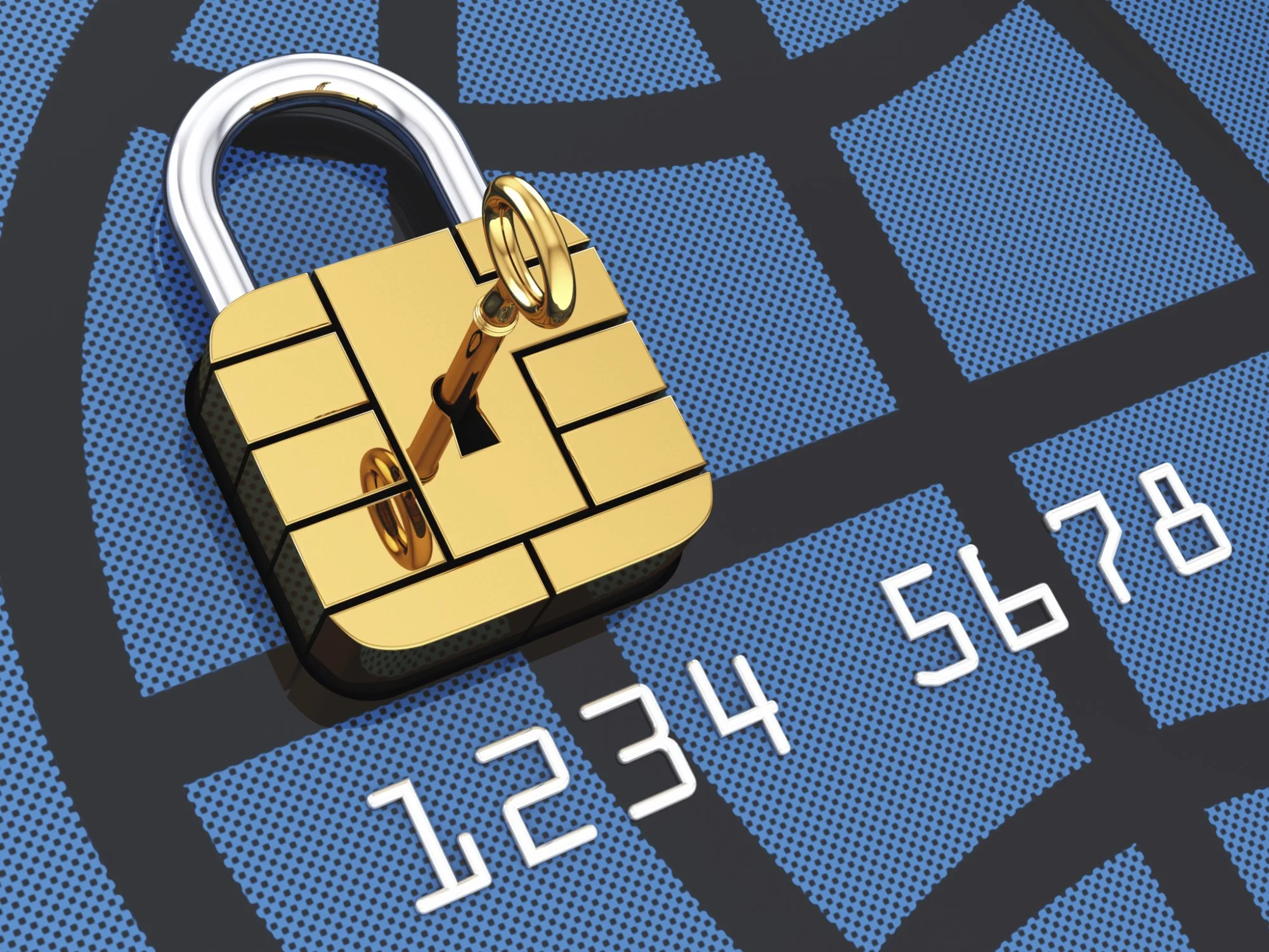
Many consumers have used or dealt with a credit card at some point in their lives. Along with this, everyone is bound to experience problems and issues in the lifespan of owning a credit card. They may be billed twice for the same item / service, or they may order something that never arrives in the mail. Some people’s credit card information may be stolen and used to purchase big-ticket items, such as TVs and computers. They may even have their identity stolen with credit cards in their name they don’t even know about.
Types of Protections Available
There are three types of protection for a cardholder. This ensures that the lender follows strict procedures when there are issues with a credit card transaction. The liability for a charge is dependent on your state or other federal laws, as well as the specific circumstances of your case.
1.) The first type of protection is for unauthorized use of your credit card. This normally applies to a stolen or borrowed card, or if your card number was recorded for any reason, such as to make purchases while a merchant’s credit card terminal was down.
According to this law, the lender can only charge you at most $50.00 for unauthorized usage of your credit card as this is the limit. For example, if someone stole your card and bought $200.00 worth of merchandise, your credit card issuer can only charge you a maximum of $50 for this transaction. Some card issuers, such as Visa and MasterCard, have a “zero liability” policy where they will waive this $50. If the theft was an internet / telephone purchase, the lender charge you at all.
Call your credit card company immediately after you find any suspicious charges. If you inform your lender before these unauthorized charges are incurred, your lender cannot charge you the $50.00 limit. Instead, they will begin the process of canceling the stolen card and reissuing you a new one.
2.) The second type of protection is for billing disputes. These could include being overcharged by a merchant, or charges for products you’ve never received. If there is a dispute, the lender must follow certain procedures to resolve it under the Fair Credit Billing Act.
To raise a billing error dispute, you must notify the company within 60 days of the first bill which shows the disputed charge. The dispute must be in writing and must include your name, account number, the dollar amount of the dispute, and a statement for the reason for the dispute. The written dispute must be mailed to the specific address provided by the lender for this purpose. This information should also be found on the back of your credit card statement.
There are only certain charges which can be disputed.
Charges which were not authorized
Goods not received
Returned defective goods but not refunded
Wrong items sent from merchant
Merchant did not complete services paid for
Merchant billed incorrect amount
Canceled contract prior to work being performed
Agreed to buy something from merchant, but did not give authorization to be billed
You should receive a notification from the credit card company within 30 days after filing this dispute. Next, the company will investigate and provide you with a written response between 2-3 months or within 90 days. Depending on the nature of the dispute, the merchant may conclude by just canceling the charge instead of risking their good standing with the credit card company, which could refuse them their services.
3.) The third type of protection is the right to stop payment. This is a powerful tool you can use if you are not satisfied with anything you bought with a credit card. You can only do this If there is a legitimate complaint about the quality of goods or services purchased and you have tried to resolve the issue with the merchant directly.
There are a couple of other limitations to the right to stop payment:
The items or services purchased must be over $50 and;
The items or services must have been purchased in your home state or within 100 miles of your mailing address
These two limitations do not apply, though, if the card was issued by a merchant, such as a store card or if the merchant had mailed you advertisements for the goods or services purchased. If you tell the credit card company to stop payment, they cannot inform the three major credit bureaus until the dispute is settled and an investigation has been performed.
Free Solar Panels? Not So Fast…

There have been growing reports to consumer authorities and law enforcement of fake companies offering free solar panels to homeowners. If you’ve been offered solar panels at no or very low cost, it’s likely part of a larger scam. You may be contacted in several ways, either by door-to-door salesmen or a call, email, or text message. They will all promise free or low-cost panels and stress the importance of installing the panels as soon as possible to not miss the deal. Some will ask for upfront payment, noting you will be reimbursed by a non-existent government agency or program. They are also after your personal information, such as your Social Security number, to get “pre-approved” before the project starts. They will then use that information for identity theft or sell it online. If you pay upfront, you’ll likely never see the money again.
You should always perform your due diligence and research companies before even considering installing solar panels. Do not respond to unsolicited messages or door-to-door salesmen, and do not let them drive the conversation.
Shop for the Best Rates

Consumer Reports has been investigating growing car-related debt and have found that many consumers are paying too much for their car loans. In one example, a new car loan for a 2018 Toyota Camry charged 19 percent APR resulting in a monthly payment of $823, while the average APR for consumers with similar credit was only 4.5 percent. By the time the loan is paid off, the consumer would have spent more than twice the sticker price of the vehicle.
On average, Americans spend a monthly average of nearly $600 on new car loans, an increase of about 25% from a decade ago. Most borrowers are able to make their payments but people have been increasingly defaulting on their high-interest loans.
In order to reduce your loan costs, make sure you shop around for a car loan. You can also get pre-approved from your bank or credit union, which may influence the dealer to give you a better deal. Know and improve your credit score and stick to your budget. Lastly, make the biggest downpayment you can afford, as this will minimize the amount you’ll have to borrow to purchase your vehicle.
Spying Cell Phones
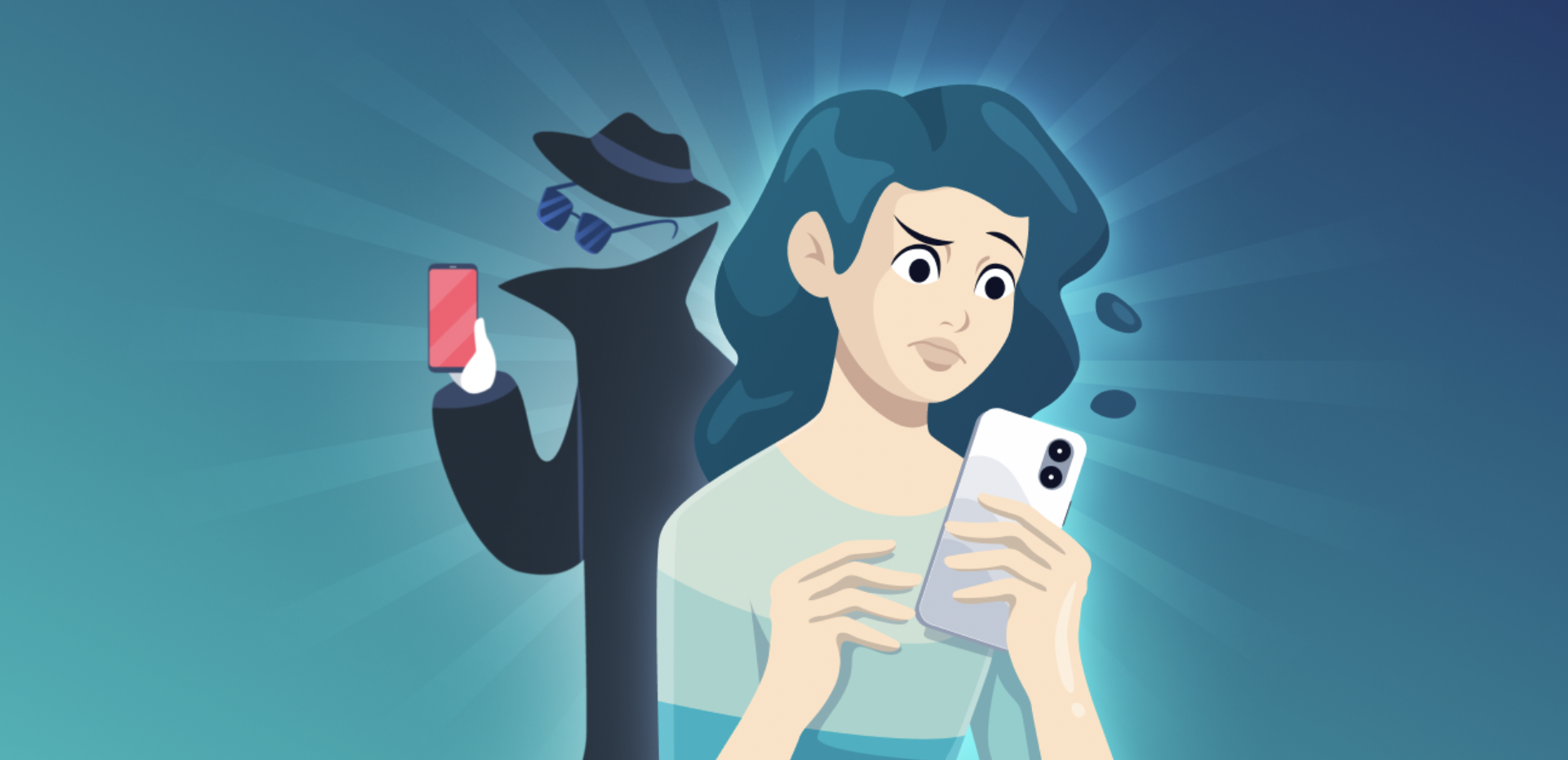
Cell phones have become a ubiquitous part of life, so much so that sometimes it may feel like a part of you is missing if you've forgotten it at home. We expose so much of our lives to these devices that it's scary to think they could be spying on us, logging everything we do and every click we make. Unfortunately, Malwarebytes reported a 77% increase in malicious mobile software from 2020 to 2021, affecting more than 150 million consumers.
Apple and Google are already working to reduce malware on their mobile platforms. Apple has released Lockdown Mode to protect iPhone users. Google has been analyzing apps to reduce the number of Potentially Harmful Applications (PHAs) on their Play Store, with PHAs now accounting for less than 1% of total apps installed. When you look at the numbers, though, this 1% could still account for hundreds of millions of spyware apps installed on consumer devices.
A red flag that malware has been living in your phone is that the phone is running slow or sluggish. This could be caused by malware constantly uploading your personal data, including photos and documents, to an external server. While some spyware will be hidden by hackers, others will be installed alongside your legitimate apps. You should look through your apps and delete unfamiliar or suspicious apps. Some of these apps are meant originally to monitor a child's phone usage for their own safety but could also be installed by a jealous ex-partner to spy on you. These include apps such as mSpy, Spyera, Flexispy, Umobix, Ikey Monitor, and Clevguard.
Random reboots could also signal your phone has been taken over. If your phone reboots without your permission, it could indicate a hacker has administrative-level access to your phone. To check, you can update your phone's operating system and delete any malfunctioning apps. If this doesn't help, you may have spyware on your phone.
Malicious apps on your phone could also cause it to overheat or use high amounts of data. If you suspect your phone is overheating, especially if you're not doing much on it, check which apps use the most energy under your battery settings. Some apps could have a legitimate reason for taking so many resources but this will at least point out the problematic apps. Your phone's settings can also let you know which apps are using a high amount of data.
MA Vehicle Fail Inspection

It is a requirement by Massachusetts and New Hampshire state law that a vehicle must pass the annual safety and emissions report. These inspections are essential to both states' safety systems. The emissions check will also determine that your car does not exceed air pollution limits. Only certified inspection sites are allowed to conduct state inspections. Visit the link below to find your nearest inspection station.
https://www.mavehiclecheck.com/apps/station-locator
Preparation if Vehicle Fails Inspection
You should immediately repair any safety defects noted in your inspection report. This will avoid future auto citations and additional charges from your insurance company. You should speak with an auto expert at the Motorist Assistance Center (MAC) if you were referred to one by the inspection facility. This should be done first before attempting repairs. If you get pulled over by a police officer, they may ask for proof of repairs. Receipts for previous repairs should be sufficient proof of compliance.
Emission Defects Repaired Within 60 Days
A vehicle that failed inspection due to emissions should have the issue corrected and re-tested within 60 days. A Registered Emissions Repair Technician is most qualified to repair emission issues affecting your gas mileage and the air quality. You can also ask them if you qualify for an emission waiver or extension. The technician will explain what needs to be done after certain repairs to prepare for a re-test. For example, some vehicles must be driven under certain highway/city conditions to reset their internal computers.
If your vehicle failed the state inspection, you must perform a re-test within 60 days. The initial station you previously failed at should re-test at no cost to you.
Yo-Yo Auto Financing

Buying a car is not a small financial decision. It can involve a lot of research to find the specific car you want, with all the features you’re looking for. In these times, inventory is low for many car dealers and manufacturers, making the process even more difficult. Once you find the car you want, though, make sure you don’t fall for yo-yo financing scams.
Yo-yo financing, also known as spot delivery scams, is when the dealership approves you for loan terms with a low-interest rate, only to call you back, later on, to tell you that the financing never went through. You’ll have to return to the dealership to either return the vehicle or agree to much higher interest rates, typically about 5 percentage points higher. Many times, you cannot get your downpayment back or even the car you traded in, so you’re stuck with the new car at unfavorable lease terms.
According to a 2012 study conducted by the Center for Responsible Lending, over a quarter of people surveyed were victims of yo-yo financing scams. Out of over 2,100 people surveyed, 590 of them were victims of this scam. Of those victims, more than 60 percent of them had to pay a higher interest rate than originally agreed upon. In most situations, the consumer was forced to accept the new, worse lease terms. In rare cases, the consumer would be forced to purchase another vehicle instead or to work with an entirely different dealership.
In a report from International Business Times, some yo-yo scams even result in threats and physical violence. In one scenario, two large men were sent to the car buyer’s place of work and violently choked him until he agreed to return the vehicle.
Yo-yo financing can be in violation of multiple laws. Depending on the specific facts of the case, the dealership could violate the Federal Truth in Lending Act, Fair Credit Reporting Act, and Equal Credit Opportunity Act. The dealership also likely committed common law fraud and violated the Massachusetts Consumer Protection Act.
One rule of thumb is if the deal sounds too good to be true, it probably is. During this time, you should be on the lookout for inaccuracies before signing any paperwork.
You can ask for a copy of the approval letter from the lender. Remember that the approval letter is NOT confidential and this information should be given to you upon request. There are times when the dealership makes an honest mistake which results in you coming back in to resign paperwork but ultimately it is up to you to spot any suspicious activity.
Buy Now, Pay Later, What's the Catch?

Buy Now, Pay Later (BNPL) loans have become a popular way of making large purchases. According to the Consumer Financial Protection Bureau (CFPB) Director Rohit Chopra, consumers think of them as a close substitute for credit cards. These loans allow consumers to break up larger purchases into smaller, interest-free installments, similar to a credit card. Although many consumers could think of these as risk-free alternatives, there are several things that should be considered that could harm consumers.
In a typical Buy Now, Pay Later loan, the consumer may make a purchase of $500. This amount is split into 4 payments with the first payment due at checkout. The next 3 payments will be due in two-week intervals over the next 6 weeks. The CFPB is generally comfortable with this part of the process but warns of other details. While it’s standard that credit cards offer consumer protection, not all BNPL loans do. There isn’t a standardized cost-of-credit disclosure, forced opt-in for autopay, substandard dispute resolution rights, or some companies will even apply multiple late fees for a missed payment.
In this digital age, the CFPB is also concerned about the privacy of consumers. Buy now, pay later loans have an aim towards the younger generation, moving to business models that require apps on phones. These apps can track their users and develop valuable digital profiles of their user’s shopping habits and preferences. The CFPB is concerned that companies that collect user data will consolidate their databases and create user profiles that infringe on their privacy, security, and autonomy. Many Buy Now, Pay Later apps are also engineered to encourage more spending and borrowing. As a result, many consumers could take out multiple loans over a short period of time, compounding their debt.
For now, the Consumer Financial Protection Bureau will address issues as they are discovered through investigations. Ultimately, the CFPB would like the same level of consumer protections and oversight in place for credit cards applied to these types of loans.
Scam Alert Student Loan Forgiveness

Scammers are targeting people with student loan debt after Biden’s announced plan for student loan debt forgiveness.
Last week, Biden announced plans for student loan debt forgiveness. Scammers are already looking to take advantage of the situation. The scam usually starts with a call or voicemail claiming to be a representative from the loan forgiveness program. To check your eligibility, you’ll need to fill out an online application that collects personal information such as your bank account details.
In one instance reported to the Better Business Bureau, someone received a voicemail from “Peter” stating they were from the “Biden student loan forgiveness program.” They called back and “Peter” asked for their email address and phone number. He asked questions to “determine her eligibility” but once she started asking questions about the program, “Peter” became frustrated and ended the call.
There are several variations of this scam. Some will require upfront payment to make sure they at least steal some of your funds. Others could be so brazen that they have you redirect your student loan payments to them instead. “I got a ‘final notice’ letter that has the debt amount listed… Thinking it was from the federal student loan department, I called,” one victim reported. “They had me change my password and got my bank account number [and] direct payments to them.”
Most of the scams reported in this category involve someone claiming to be from the federal government, but these scams are likely to evolve.
The most important thing to remember is that enrolling in a government plan for student loan debt reduction is free. It is a scam if you are asked to pay a fee. If you have any doubts, contact the Department of Education directly. You can find more information at ED.gov and StudentAid.gov. Never click on links in unsolicited text messages and emails. This cannot be stressed enough.
Free government programs will never charge a fee. The fraudster may claim that the fee will get your application processed faster or unlock additional benefits, but it’s all a lie. Government agencies will not use scare tactics. If they pressure you into paying or enrolling immediately, or else you’ll miss out, be very skeptical. Instead of falling for these tactics, don’t respond until you can verify the information.
"Hi, Your Computer Has a Virus..."

Tactics for scams can come and go in waves. The Federal Trade Commission (FTC) and the Identity Theft Resource Center (ITRC) predict a wave of tech impersonator scams is coming to the United States. This scam starts with the victim receiving a message stating something is wrong with your electronic devices. These can come through a pop-up on your computer screen, emails, text messages, and even physical mail. The victim calls the number shown in the warning and is asked to provide card details or gift cards for payment. The scammers could also trick the victims into giving control of their computers. Now they have access to the victim’s personal information, monetary funds, and control of their computers.
To avoid these scams, you should never trust links or phone numbers in pop-ups or warning messages in emails or texts. You can always contact the company directly to verify the phone number and message. “Red flags are when the company wants to access your computer remotely, immediately, to fix it, and wants payment in the form of gift cards, or wants you to share your bank account and routing information for payment,” says Chief ITRC Victims Officer Mona Terry. Attackers will also be pushy and aggressive, creating a high-tension situation where you have little time to think. If you ever feel pressured to click on a link or download an app, you most likely shouldn’t.
Another red flag to look out for pertains specifically to social media accounts. If the account has much fewer followers than you expect, it’s probably a fake account. For example, the official Macy’s Facebook page has 14 million followers. If you get a message from the Facebook account “Macy’s Black Friday Specials” and it only has 134 followers, it’s like a scam.
After taking a survey of large tech companies, none reported that they would request personal or financial information through unsolicited calls or messages. They would also never use these forms of communication for technical support. Amazon confirmed some departments make outbound calls to consumers but would not have you verify personal information, charge for tech support, or offer an unexpected refund.
Consumer Rights 101: Warranties

Whenever you buy an appliance, you have a reasonable expectation that it will work as intended. Sometimes, though, a defective product may cause additional issues, such as a water leak or electrical damage. In some cases, you may be able to receive compensation for these types of damages.
Unless expressly disclaimed, every consumer product sold in the U.S. has an implied warranty of merchantability. This means the product must be suitable for its normal purpose. For example, a dishwasher must be able to wash dishes. The manufacturer must honor this warranty even if they did not directly sell to the consumer.
Another implied warranty of products is that they must be able to perform the task it was designed to within a reasonable amount of time. If the product breaks down too soon, the manufacturer could be held liable. Every product's reasonable lifespan is determined on a case-by-case basis.
These warranties won't cover every type of damage. If the product was installed incorrectly, it is likely uncovered by the warranty. Other cases where coverage is not guaranteed include if the user does not follow the instructions, abuse or misuse of the product, and incomplete maintenance. The implied warranties are meant to cover manufacturing and design defects.
Products purchased in the U.S. could also come with expressed warranties if the manufacturer chooses to provide one. They may choose to do so as an added benefit to their product or to build trustworthiness.
Manufacturers can disclaim certain warranties, such as a disclaimer for merchantability. In other words, the product may not work as it is intended to. Similarly, a manufacturer may hold itself blameless in the event of damages caused by it's product. This is one reason why it’s important to read the fine print.
Some of these damages may be covered by the consumer's home insurance. If it is not included in the standard home insurance coverage, it should be available as an add-on. This could extend the coverage to include issues such as water damage caused by appliances, sewers, or drain backups.
Unordered Package? You May Be Victim of "Brushing" Scam

Consumers are reporting that they are receiving unsolicited packages. Some companies have been sending out small and inexpensive items and leaving positive reviews under the consumer's name to boost their online ratings on websites like Amazon. Doing this will help build their brand’s reputation and increase their sales.
If the company purchased your name and address from a legitimate marketing company, the damage is minimal to the consumer due to the limited access to your personal information. On the other hand, if the company obtained your information from a data breach, this could be a much more serious issue. In a data breach, hackers break into a company's or organization’s database and steal personal information including Social Security, banking numbers, phone, insurance, and any other information you had provided to the company. This could occur on social media websites, hospitals, banks, government agencies, and retail stores. The scammers can use this information to commit identity fraud and apply for loans and credit cards under your name.
Steps After Receiving Unsolicited Packages
1.) Notify the Retailer - You should contact your friends and family to confirm if the package was intended as a gift. If not, contact the retailer to report the package as Unwanted. Depending on the retailer, there may be an online form to fill out.
2.) Change Your Online Passwords - According to the Better Business Bureau, receiving an unsolicited package could be a tell-tale sign that your identity has been compromised.
3.) Review Credit Reports and Monitor For Changes - As a potential victim of identity fraud, you should check your credit reports for any suspicious activity or unfamiliar accounts/charges.
4.) Keep the Product - By federal law, you are not required to return unsolicited packages. Companies cannot send unordered merchandise and demand payment. You are legally entitled to keep it as a free gift.
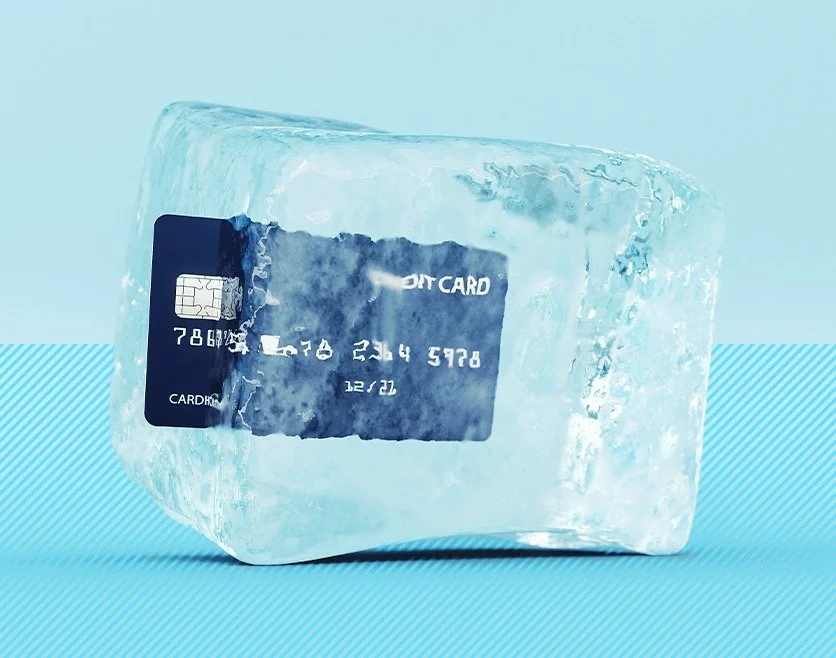
CREDIT FREEZING 101
The Federal Trade Commission recently reported that over 2 million consumers lost more than $5.8 billion to fraud in 2021. This is a 70% increase when compared to 2020. One of the most powerful tools to protect yourself against fraud is to freeze your credit. The credit freeze, also known as a security freeze, prevents fraudulent loans and credit accounts while allowing the consumer restricted access to their credit reports. Credit bureaus must provide freezes to consumers at no cost and with no impact on scores under US law. If you are not planning on applying for credit or loans in the near future, a credit freeze can provide peace of mind. If you have a child under 18, a credit freeze can protect them from fraudulent accounts and identity theft.
In order to freeze your credit, you must contact all three credit bureaus:
• Equifax Credit Report Services / (800) 349-9960
• Experian Security Freeze Center / (888) 397-3742
• TransUnion Credit Freeze Website / (888) 909-8872
Credit freezes can be lifted and reinstated in as little as 30 minutes when you need to use your credit. If you are a victim of credit fraud, take the following steps:
• File a police report with your local police department
• Change your banking PIN number and passwords
• Dispute unauthorized or unfamiliar transactions. This should be made in writing to the credit bureau. They will have 30 days to remove purchases after an investigation.
• File a complaint with the Federal Trade Commission
• Place a fraud alert on your credit report. This should be done at the three credit bureaus (Equifax, Experian, and TransUnion)
Although credit freezes are a great tool against identity theft and fraud, consumers must still be vigilant with their personal information. Never share your personal information and be on the lookout for phishing scams.
Office of Consumer Affairs and Business Regulations. 2022 July 28. Know When to Freeze Your Credit. Mass.gov
Add Security To Your Travel Checklist

We're excited to announce that we have recently launched a Local Consumer Program that offers consumer assistance services. The services in this program are free and voluntary with the support and funding of the Massachusetts Attorney General's Office. Common complaints include defective products, car sales, home improvement, debt collection, etc.
Summer is here and consumers are excited to travel once again! This also means that hackers will be looking for unsuspecting victims for some common tricks at the airport.
Never accept a USB cord or charger from a stranger to use with your phone or computer. These could be modified and be used to install malware on your devices. It’s easiest for a hacker to steal your information from a crowded place, so be aware of your surroundings. Never let a stranger borrow your phone, and always remember to pack your own chargers that can plug in directly to an outlet and not a USB port.
Consumers should also be wary of connecting to free public Wi-Fi spots, whether at the airport or another public area. Hackers can easily set up a Wi-Fi access point and name it something convincing, for example “Starbucks_Guest_WiFi.” Once connected to one of these fake access points, the hacker can monitor all of the data you send and receive, including your personal banking information. Always check with an employee for the name of the Wi-Fi access point to avoid falling victim to this.
References: Guthrie, G. 2022 June 2. Scammers are preparing to target travelers this summer. consumeraffairs.com